30. Camus – Dr. Rieux, The Plague
“He knew quite well that it was plague and, needless to say, he also knew that, were this to be officially admitted, the authorities would be compelled to take very drastic steps. This was, of course, the explanation of his colleagues' reluctance to face the facts.”
Rieux emerges, gradually, as the center of Camus' best work. In a small town beset by plague, his wife outside of the city with her own recovery on his mind, he goes about the work of saving lives. He is stoical, but in a particularly French existential way. Which is not a bad thing.
29. Stoker – Count Dracula, Dracula
“"You think to baffle me, you with your pale faces all in a row, like sheep in a butcher's. You shall be sorry yet, each one of you! You think you have left me without a place to rest, but I have more. My revenge is just begun! I spread it over centuries, and time is on my side. Your girls that you all love are mine already. And through them you and others shall yet be mine, my creatures, to do my bidding and to be my jackals when I want to feed. Bah!"”
Dracula is a fairly chilling character. He is intelligent, but in a cunning, destructive, way. His immense powers are diverse, but he understands his weaknesses: so much so that he applies himself fully to ensuring his plans will not fail. The reader anxiously reads on to see if his cares pay off.
28. Dickens – Ebeneezer Scrooge, A Christmas Carol
“''You will be haunted,'' resumed the Ghost, ''by Three Spirits.''
Scrooge’s countenance fell almost as low as the Ghost’s had done.
''Is that the chance and hope you mentioned, Jacob?'' he demanded, in a faltering voice.
''It is.''
''I—I think I’d rather not,'' said Scrooge.”
Scrooge approaches his reform like many of us, in the classic Augustinian tradition – "make me a saint, but not yet." Using his wit as a shield he tries to parry the extraordinary sights and happenings throughout the classic, but in the end is overwhelmed with sincerity.
27. Kerouac – Dean Moriarty, On the Road
“It was drizzling and mysterious at the beginning of our journey. I could see that it was all going to be one big saga of the mist. 'Whooee!' yelled Dean. 'Here we go!' And he hunched over the wheel and gunned her; he was back in his element, everybody could see that.”
The embodiment of recklessness, Dean is the kind of guy who thinks freedom is “a full tank of gas and an unlimited credit card”. He and his group ended up being a generational inspiration: a new adventurer for postwar adults.
26. Tolkien – Gandalf, The Lord of the Rings
“You cannot pass! I am a servant of the Secret Fire, wielder of the Flame of Anor. The dark fire will not avail you, Flame of Udun! Go back to the shadow. You shall not pass!”
Before Gandalf the sorcerer was Merlin. Arguably, Gandalf is now seen as the quintessential wizard. His age, his knowledge, and his abilities keep us captivated throughout. Tolkien clearly depicts him as the linchpin for the fellowship, the most respected and appreciated of all the epic's characters.
25. Ware – Jimmy Corrigan, Jimmy Corrigan, the Smartest Kid on Earth
“''W-who was that on your answering machine this morning?''”
Like others on this list Jimmy sticks with you in an unpleasant way. A man entering middle age he cannot navigate life successfully. His mind isn't childish, though, which is disturbing. He'd be easier to accept, as a character, if he was easily classifiable as 'feeble-minded'. We are provoked since he isn't.
24. Proust – The Narrator, Swann's Way
“I had ceased now to feel mediocre, accidental, mortal. Whence could it have come to me, this all-powerful joy? I was conscious that it was connected with the taste of tea and cake, but that it infinitely transcended those savours, could not, indeed, be of the same nature as theirs. Whence did it come? What did it signify? How could I seize upon and define it?”
He goes on to define it in nine volumes of recollection.
23. Steinbeck – Lennie Small, Of Mice and Men
“Lennie covered his face with huge paws and bleated with terror.”
The man with the child's mind, Lennie is a deeply sympathetic and tragic character. Steinbeck's laborers are all portrayed with pathos, but Lennie is not being overwhelmed by historical forces – his personal struggles are of his own actions and grasping to do the right thing.
22. Shelly – The Monster, Frankenstein
“''I felt emotions of gentleness and pleasure, that had long appeared dead, revive within me. Half surprised by the novelty of these sensations, I allowed myself to be borne away by them, and forgetting my solitude and deformity, dared to be happy."”
Compare the above recollections, when the Monster engages his creator with the story of his flight and persecution, to that of Boris Karloff's portrayal, later inspiration for Lurch. Abandoned by his creator his struggles have us thinking his nobility is greater than that of Frankenstein's selfish obsessions and loathing for the life he has made.
21. Conrad – Kurtz, Heart of Darkness
“''Oh, but I will wring your heart yet!'' he cried at the invisible wilderness.”
Not Kurtz's most famous line, but emblematic of his peculiar relation to the wilderness. Achebe has condemned Conrad's work for its blatantly racist depictions of Africans; but the psychological aspect of Kurtz and our protagonist is the reason for its classic status. Kurtz doesn't so much stick with, as haunt us.
Wednesday, July 6, 2011


Sunday, July 3, 2011
50 Characters Who've Stuck With Me: Part Two
40. Miller – Batman, The Dark Knight Returns
“This should be agony. I should be a mass of aching muscle--broken, spent, unable to move. And, were I an older man, I surely would... But I'm a man of thirty--of twenty again.”
Consistently considered the most complex portrait of the caped crusader, Miller's Batman is now fifty-five, retired and struggling to cope with his former identity. His choice to put the suit back on unleashes a series of events that culminate in one of the most rewarding fights in pop culture history. Perhaps more critically it also allows for a compelling look at how we cope with who we once were.
39. Lowry – The Giver, The Giver
“"Simply stated, although it's not really simple at all, my job is to transmit to you all the memories I have within me. Memories of the past."”
I must have been one of the first classes to read The Giver and, like most since, was struck between the eyes. The last remnant of a civilization lost he is profoundly isolated, yet this is not his principle characteristic. Rather his sage warmth resonates as a guide into the past.
38. Le Guin – The Child, The Ones Who Walk Away From Omelas
“It is afraid of the mops. It finds them horrible.”
The Child in Le Guin's short piece of horror will haunt you. The story could simply have been an ethical allegory, but so much attention and detail goes into developing The Child that you, too, are convinced that you'd walk away from Omelas.
37. Spiegelman – Art Spiegelman, Maus
“Vladek started working as a tinman in Auschwitz in the spring of 1944...I started working on this page at the very end of February 1987.”
The semi-autobiographical work portrays the artist and son's challenges to come to grips with his father's Holocaust internment. The two processes are intertwined, and Spiegelman dutifully takes us through his difficulties along the way.
36. Christie – Hercule Poirot, The Mysterious Affair at Styles
“He talked a lot about the little gray cells of the brain, and of their functions. His own, he says, are of the first quality.”
Poirot, as many accounts state, may be the only fictional character to get an obituary in the New York Times. He began as a detective of the Holmes-bent: he eventually alleviated the need for evidence almost altogether; he became the arch-rationalist of human motive and intent.
35. Satrapi – Marjane, Persepolis
“''Yes...But...When you run, your behind makes movements that are...How do you say...Obscene!''
''Well then don't look at my ass!''
I yelled so loudly they didn't even arrest me.”
Persepolis chronicles Marjane (the author) as she grows up, loses God, rebels (against her society) and revolts (politically). Part of Iran's initial liberal revolution her experiences are increasingly the template of Iran's urban, globally-connected, more savvy youth.
34. Lee – Boo Radley, To Kill a Mockingbird
“What Mr. Radley does is his own business. If he wanted to come out, he would.”
Scout is an amazing narrator, as anyone can relate to her. Atticus and Tom are tremendous heroes and moral guides. Boo might have been a literary McGuffin. But Lee succeeds in creating a mysterious figure who manages to reveal himself to the keenest readers.
33. Hemingway – Francis Macomber, The Short Happy Life of Francis Macomber
“Francis Macomber was very tall, very well built if you did not mind that length of bone, dark, his hair cropped like an oarsman, rather thin-lipped, and was considered handsome. He was dressed in the same sort of safari clothes that Wilson wore except that his were new, he was thirty-five years old, kept himself very fit, was good at court games, had a number of big-game fishing records, and had just shown himself, very publicly, to be a coward.”
Hunting and war seem to be the premises that cowardly action is played out in most fiction. In Africa Macomber wants to bag a lion, but while he continues to try other forces in his life are unraveling as well. Despite his apparent advantages in life he cannot overcome these – with tragic results.
32. Graves – Claudius, I, Claudius
“My readers must not therefore be surprised by my practised style: it is indeed Claudius himself who is writing this book, and no mere secretary of his, and not one of those official annalists either, to whom public men are in the habit of communicating their recollections, in the hope that elegant writing will eke out meagreness of subject-matter and flattery soften vices. In the present work, I swear by all the Gods, I am my own mere secretary, and my own official annalist: I am writing with my own hand, and what favour can I hope to win from myself by flattery?”
And so Claudius introduces himself. An unremarkable Roman emperor, Graves manages to create a diarist, or annalist, whose observations reveal much about his own mind – defensive in response to his lame body and stuttering speech – which is sharper than those around him.
31. Abbey – George Hayduke, The Monkey Wrench Gang
“Time is relative, said Heraclitus a long time ago, and distance a function of velocity. Since the ultimate goal of transport technology is the annihilation of space, the compression of all Being into one pure point, it follows that six-packs help. Speed is the ultimate drug and rockets run on alcohol. Hayduke had formulated this theory all by himself.”
Hayduke had been a green beret in Vietnam, and readjusts back home by becoming an eco-terrorist. In an earlier era you can picture him just as gleefully terrorizing the West. But Abbey does not create a larger-than-life caricature: Hayduke consistently is only too human.
“This should be agony. I should be a mass of aching muscle--broken, spent, unable to move. And, were I an older man, I surely would... But I'm a man of thirty--of twenty again.”
Consistently considered the most complex portrait of the caped crusader, Miller's Batman is now fifty-five, retired and struggling to cope with his former identity. His choice to put the suit back on unleashes a series of events that culminate in one of the most rewarding fights in pop culture history. Perhaps more critically it also allows for a compelling look at how we cope with who we once were.
39. Lowry – The Giver, The Giver
“"Simply stated, although it's not really simple at all, my job is to transmit to you all the memories I have within me. Memories of the past."”
I must have been one of the first classes to read The Giver and, like most since, was struck between the eyes. The last remnant of a civilization lost he is profoundly isolated, yet this is not his principle characteristic. Rather his sage warmth resonates as a guide into the past.
38. Le Guin – The Child, The Ones Who Walk Away From Omelas
“It is afraid of the mops. It finds them horrible.”
The Child in Le Guin's short piece of horror will haunt you. The story could simply have been an ethical allegory, but so much attention and detail goes into developing The Child that you, too, are convinced that you'd walk away from Omelas.
37. Spiegelman – Art Spiegelman, Maus
“Vladek started working as a tinman in Auschwitz in the spring of 1944...I started working on this page at the very end of February 1987.”
The semi-autobiographical work portrays the artist and son's challenges to come to grips with his father's Holocaust internment. The two processes are intertwined, and Spiegelman dutifully takes us through his difficulties along the way.
36. Christie – Hercule Poirot, The Mysterious Affair at Styles
“He talked a lot about the little gray cells of the brain, and of their functions. His own, he says, are of the first quality.”
Poirot, as many accounts state, may be the only fictional character to get an obituary in the New York Times. He began as a detective of the Holmes-bent: he eventually alleviated the need for evidence almost altogether; he became the arch-rationalist of human motive and intent.
35. Satrapi – Marjane, Persepolis
“''Yes...But...When you run, your behind makes movements that are...How do you say...Obscene!''
''Well then don't look at my ass!''
I yelled so loudly they didn't even arrest me.”
Persepolis chronicles Marjane (the author) as she grows up, loses God, rebels (against her society) and revolts (politically). Part of Iran's initial liberal revolution her experiences are increasingly the template of Iran's urban, globally-connected, more savvy youth.
34. Lee – Boo Radley, To Kill a Mockingbird
“What Mr. Radley does is his own business. If he wanted to come out, he would.”
Scout is an amazing narrator, as anyone can relate to her. Atticus and Tom are tremendous heroes and moral guides. Boo might have been a literary McGuffin. But Lee succeeds in creating a mysterious figure who manages to reveal himself to the keenest readers.
33. Hemingway – Francis Macomber, The Short Happy Life of Francis Macomber
“Francis Macomber was very tall, very well built if you did not mind that length of bone, dark, his hair cropped like an oarsman, rather thin-lipped, and was considered handsome. He was dressed in the same sort of safari clothes that Wilson wore except that his were new, he was thirty-five years old, kept himself very fit, was good at court games, had a number of big-game fishing records, and had just shown himself, very publicly, to be a coward.”
Hunting and war seem to be the premises that cowardly action is played out in most fiction. In Africa Macomber wants to bag a lion, but while he continues to try other forces in his life are unraveling as well. Despite his apparent advantages in life he cannot overcome these – with tragic results.
32. Graves – Claudius, I, Claudius
“My readers must not therefore be surprised by my practised style: it is indeed Claudius himself who is writing this book, and no mere secretary of his, and not one of those official annalists either, to whom public men are in the habit of communicating their recollections, in the hope that elegant writing will eke out meagreness of subject-matter and flattery soften vices. In the present work, I swear by all the Gods, I am my own mere secretary, and my own official annalist: I am writing with my own hand, and what favour can I hope to win from myself by flattery?”
And so Claudius introduces himself. An unremarkable Roman emperor, Graves manages to create a diarist, or annalist, whose observations reveal much about his own mind – defensive in response to his lame body and stuttering speech – which is sharper than those around him.
31. Abbey – George Hayduke, The Monkey Wrench Gang
“Time is relative, said Heraclitus a long time ago, and distance a function of velocity. Since the ultimate goal of transport technology is the annihilation of space, the compression of all Being into one pure point, it follows that six-packs help. Speed is the ultimate drug and rockets run on alcohol. Hayduke had formulated this theory all by himself.”
Hayduke had been a green beret in Vietnam, and readjusts back home by becoming an eco-terrorist. In an earlier era you can picture him just as gleefully terrorizing the West. But Abbey does not create a larger-than-life caricature: Hayduke consistently is only too human.
Saturday, July 2, 2011
50 Characters Who've Stuck With Me: Part One
Avoiding the world of poetry and playwrights here are fifty literary characters who have stuck with me, and, I'm guessing, are good candidates to stick with others.
50. Dick – Pat Conley, Ubik
“On her bare, dark forearm he made out a tattoo, CAVEAT EMPTOR, it read. He wondered what that meant.”
In Sci-Fi most women come in two stock types: 'one of the guys' who totes a gun and kicks ass, or arousing martians/robots. (Of course there are also the normal templates as well, such as the Damsel.) Conley, however, is a well-developed woman who somehow skirts both of these classic stereotypes while eventually revealing something more complex.
49. Voltaire – Dr. Pangloss, Candide
“Pangloss sometimes said to Candide: "There is a concatenation of events in this best of all possible worlds: for if you had not been kicked out of a magnificent castle for love of Miss Cunegonde: if you had not been put into the Inquisition: if you had not walked over America: if you had not stabbed the Baron: if you had not lost all your sheep from the fine country of El Dorado: you would not be here eating preserved citrons and pistachio-nuts."”
Pangloss is the dopey, ever-optimistic 'mataphysico-theologico-cosmologist'. The classic example of a muddleheaded academic Pangloss continually preaches that this 'is the best of all possible worlds' to cheer Candide, despite the earthquakes, executions and dismemberments affecting our poor hero.
48. Borges – Ireneo Funes, Funes the Memorious
“He remembered the shapes of the clouds in the south at dawn on the 30th of April of 1882, and he could compare them in his recollection with the marbled grain in the design of a leather-bound book which he had seen only once, and with the lines in the spray which an oar raised in the Rio Negro on the eve of the battle of the Quebracho.”
Borges wasn't really known for his characters, but Funes proves a fascinating exception. Funes remembers everything he's ever experienced, with each moment of his life a distinct mental image from the last. How he copes presents an intriguing character portrait.
47. Carroll – The Cheshire Cat, Alice's Adventures in Wonderland
“'But I don't want to go among mad people,' Alice remarked.
'Oh, you can't help that,' said the Cat: 'we're all mad here. I'm mad. You're mad.'”
Alice is, for my money, the best Victorian character after Phineas Fogg. But of all the peculiar people and creatures she runs into in Wonderland and the Looking-Glass World few resonate, or are as beloved, as the Cheshire Cat. I think if cats could talk they'd converse with us much in the same way – sparse, decisive pronouncements before disappearing.
46. Gogol – The Nose, The Nose
“''Good sir,'' Kovalev went on with a heightened sense of dignity, ''the one who is at a loss to understand the other is I. But at least the immediate point should be plain, unless you are determined to have it otherwise. Merely — you are my own nose.''
The Nose regarded the Major, and contracted its brows a little.”
The Nose is Gogol's most peculiar story – a man loses his nose and finds it a bread roll, followed by its putting on a suit and traipsing around St. Petersburg. The Nose acts in a manner befitting a Russian petty official, as perhaps our noses would if they had coats and boots of their own.
45. Kafka – The Officer, The Penal Colony
“''It’s a remarkable apparatus,'' said the Officer to the Explorer and gazed with a certain look of admiration at the device, with which he was, of course, thoroughly familiar.”
As maybe the most disturbing portrayal of a cog in the system the Officer is totally desensitized to his monstrous apparatus – a device used on the condemned that, in the Officer's deluded mind, leads not only to a punishment, but a sort of grisly revelation.
44. Marquez – The Old Man, A Very Old Man with Enormous Wings
“He was dressed like a ragpicker. There were only a few faded hairs left on his bald skull and very few teeth in his mouth, and his pitiful condition of a drenched great-grandfather took away and sense of grandeur he might have had. His huge buzzard wings, dirty and half-plucked were forever entangled in the mud. They looked at him so long and so closely that Pelayo and Elisenda very soon overcame their surprise and in the end found him familiar. Then they dared speak to him, and he answered in an incomprehensible dialect with a strong sailor's voice.”
The silent central figure of Marquez' story is pitiful. Is he an angel? Some sort of sideshow freak? A random sailor? He is similar to Gorey's Doubtful Guest: he shows up, doesn't explain himself, and seemingly waits.
43. Adams – Marvin the Paranoid Android, The Hitchhiker's Guide to the Galaxy
“I didn't ask to be made: no one consulted me or considered my feelings in the matter. I don't think it even occurred to them that I might have feelings. After I was made, I was left in a dark room for six months... and me with this terrible pain in all the diodes down my left side.”
Marvin is the ultimate pessimist, misanthrope and downer. Extraordinarily intelligent he can't help but complain, mope, and bring everyone down around him. Who doesn't know someone like Marvin?
42. Orwell – Boxer, Animal Farm
“"I do not understand it. I would not have believed that such things could happen on our farm. It must be due to some fault in ourselves. The solution, as I see it, is to work harder. From now onwards I shall get up a full hour earlier in the mornings."”
Boxer may well be the most tragic character on this list. The allegory of Soviet revolution sees the pigs controlling the other animals, but Boxer, the worker, has blind faith in their leaders. The noble plow-horse, whose unfailing solution to problems is to condemn himself with his slogan “I will work harder!” is the inspiration to the other animals on the farm. How the pigs reward him will move you.
41. O'Connor – The Misfit, A Good Man is Hard to Find
“''I never was a bad boy that I remember of," The Misfit said in an almost dreamy voice, "but somewheres along the line I done something wrong...''”
The Misfit, a criminal in the backwoods, seems to have no real motive. His mind is somewhere between unhinged and too rational. As he interacts with our main characters we get a full biography but it doesn't help – the Misfit is maddeningly, worryingly inscrutable. The famous story's conclusion, from the lips of the criminal, has now become classic.
50. Dick – Pat Conley, Ubik
“On her bare, dark forearm he made out a tattoo, CAVEAT EMPTOR, it read. He wondered what that meant.”
In Sci-Fi most women come in two stock types: 'one of the guys' who totes a gun and kicks ass, or arousing martians/robots. (Of course there are also the normal templates as well, such as the Damsel.) Conley, however, is a well-developed woman who somehow skirts both of these classic stereotypes while eventually revealing something more complex.
49. Voltaire – Dr. Pangloss, Candide
“Pangloss sometimes said to Candide: "There is a concatenation of events in this best of all possible worlds: for if you had not been kicked out of a magnificent castle for love of Miss Cunegonde: if you had not been put into the Inquisition: if you had not walked over America: if you had not stabbed the Baron: if you had not lost all your sheep from the fine country of El Dorado: you would not be here eating preserved citrons and pistachio-nuts."”
Pangloss is the dopey, ever-optimistic 'mataphysico-theologico-cosmologist'. The classic example of a muddleheaded academic Pangloss continually preaches that this 'is the best of all possible worlds' to cheer Candide, despite the earthquakes, executions and dismemberments affecting our poor hero.
48. Borges – Ireneo Funes, Funes the Memorious
“He remembered the shapes of the clouds in the south at dawn on the 30th of April of 1882, and he could compare them in his recollection with the marbled grain in the design of a leather-bound book which he had seen only once, and with the lines in the spray which an oar raised in the Rio Negro on the eve of the battle of the Quebracho.”
Borges wasn't really known for his characters, but Funes proves a fascinating exception. Funes remembers everything he's ever experienced, with each moment of his life a distinct mental image from the last. How he copes presents an intriguing character portrait.
47. Carroll – The Cheshire Cat, Alice's Adventures in Wonderland
“'But I don't want to go among mad people,' Alice remarked.
'Oh, you can't help that,' said the Cat: 'we're all mad here. I'm mad. You're mad.'”
Alice is, for my money, the best Victorian character after Phineas Fogg. But of all the peculiar people and creatures she runs into in Wonderland and the Looking-Glass World few resonate, or are as beloved, as the Cheshire Cat. I think if cats could talk they'd converse with us much in the same way – sparse, decisive pronouncements before disappearing.
46. Gogol – The Nose, The Nose
“''Good sir,'' Kovalev went on with a heightened sense of dignity, ''the one who is at a loss to understand the other is I. But at least the immediate point should be plain, unless you are determined to have it otherwise. Merely — you are my own nose.''
The Nose regarded the Major, and contracted its brows a little.”
The Nose is Gogol's most peculiar story – a man loses his nose and finds it a bread roll, followed by its putting on a suit and traipsing around St. Petersburg. The Nose acts in a manner befitting a Russian petty official, as perhaps our noses would if they had coats and boots of their own.
45. Kafka – The Officer, The Penal Colony
“''It’s a remarkable apparatus,'' said the Officer to the Explorer and gazed with a certain look of admiration at the device, with which he was, of course, thoroughly familiar.”
As maybe the most disturbing portrayal of a cog in the system the Officer is totally desensitized to his monstrous apparatus – a device used on the condemned that, in the Officer's deluded mind, leads not only to a punishment, but a sort of grisly revelation.
44. Marquez – The Old Man, A Very Old Man with Enormous Wings
“He was dressed like a ragpicker. There were only a few faded hairs left on his bald skull and very few teeth in his mouth, and his pitiful condition of a drenched great-grandfather took away and sense of grandeur he might have had. His huge buzzard wings, dirty and half-plucked were forever entangled in the mud. They looked at him so long and so closely that Pelayo and Elisenda very soon overcame their surprise and in the end found him familiar. Then they dared speak to him, and he answered in an incomprehensible dialect with a strong sailor's voice.”
The silent central figure of Marquez' story is pitiful. Is he an angel? Some sort of sideshow freak? A random sailor? He is similar to Gorey's Doubtful Guest: he shows up, doesn't explain himself, and seemingly waits.
43. Adams – Marvin the Paranoid Android, The Hitchhiker's Guide to the Galaxy
“I didn't ask to be made: no one consulted me or considered my feelings in the matter. I don't think it even occurred to them that I might have feelings. After I was made, I was left in a dark room for six months... and me with this terrible pain in all the diodes down my left side.”
Marvin is the ultimate pessimist, misanthrope and downer. Extraordinarily intelligent he can't help but complain, mope, and bring everyone down around him. Who doesn't know someone like Marvin?
42. Orwell – Boxer, Animal Farm
“"I do not understand it. I would not have believed that such things could happen on our farm. It must be due to some fault in ourselves. The solution, as I see it, is to work harder. From now onwards I shall get up a full hour earlier in the mornings."”
Boxer may well be the most tragic character on this list. The allegory of Soviet revolution sees the pigs controlling the other animals, but Boxer, the worker, has blind faith in their leaders. The noble plow-horse, whose unfailing solution to problems is to condemn himself with his slogan “I will work harder!” is the inspiration to the other animals on the farm. How the pigs reward him will move you.
41. O'Connor – The Misfit, A Good Man is Hard to Find
“''I never was a bad boy that I remember of," The Misfit said in an almost dreamy voice, "but somewheres along the line I done something wrong...''”
The Misfit, a criminal in the backwoods, seems to have no real motive. His mind is somewhere between unhinged and too rational. As he interacts with our main characters we get a full biography but it doesn't help – the Misfit is maddeningly, worryingly inscrutable. The famous story's conclusion, from the lips of the criminal, has now become classic.
Thursday, June 23, 2011
Rock Artists I Know Really Well
My sister's blog asks a question: which rock artists do you know really well? The criterion is that you must know three of their albums inside and out.
Here's what I've got:
The Beatles
Meet the Beatles! (1964)
Rubber Soul (1965)
Revolver (1966)
Sgt. Pepper's Lonely Hearts Club Band (1967)
The Beatles (White Album) (1968)
Abbey Road (1969)
Let It Be (1970)
I don't include Please Please Me (1963), Magical Mystery Tour (1967) or A Hard Day's Night (1964) as I only know those fairly well, since I've only had them for about a year each.
Led Zeppelin
Led Zeppelin (1969)
Led Zeppelin II (1969)
Led Zeppelin IV (1971)
Houses of the Holy (1973)
Physical Graffiti (1975)
Bob Dylan
The Freewheelin' Bob Dylan (1963)
Bringing It All Back Home (1965)
Highway 61 Revisited (1965)
Blood on the Tracks (1975)
I don't often listen to Blonde on Blonde (1966) and two I just recently got, Time Out of Mind (1997) and Modern Times (2006).
The Rolling Stones
Beggar's Banquet (1968)
Let It Bleed (1969)
Sticky Fingers (1971)
Exile on Main Street (1972)
Not included is recent acquisition Aftermath (1966).
Pink Floyd
Dark Side of the Moon (1973)
Wish You Were Here (1975)
Animals (1977)
The Wall (1979)
Nick Drake
Five Leaves Left (1969)
Bryter Layter (1970)
Pink Moon (1972)
Stevie Wonder
Talking Book (1972)
Innervisions (1973)
Songs in the Key of Life (1976)
R.E.M.
Murmur (1983)
Out of Time (1991)
Automatic for the People (1992)
Not included is Document (1987).
Radiohead
The Bends (1995)
OK Computer (1997)
Kid A (2000)
So nine. Close contenders/future inductees will be:
The Who (four albums - The Who Sell Out (1967), Tommy (1969), Live at Leeds (1970), Who's Next (1971))
The Byrds (three albums - Mr. Tambourine Man (1965), Younger Than Yesterday (1967), Sweetheart of the Rodeo (1968))
The Jimi Hendrix Experience (three albums - Are You Experienced (1967), Axis: Bold as Love (1967) and Electric Ladyland (1968))
Creedence Clearwater Revival (three albums - Green River (1969), Willy and the Poor Boys (1969), Cosmo's Factory (1970))
Fleetwood Mac (three albums - Then Play On (1969), Fleetwood Mac (1975), Rumours (1975))
The Grateful Dead (three albums - Workingman's Dead (1970), American Beauty (1970), Europe '72 (1972))
Bob Marley and the Wailers (three albums - Catch a Fire (1973), Burnin' (1973), Natty Dread (1974))
Bruce Springsteen (three albums - The Wild, The Innocent and the E Street Shuffle (1973), Born to Run (1975), Born in the USA (1984))
U2 (three albums - War (1983), The Joshua Tree (1987), Achtung Baby (1991))
So that'll double the total. Not including things like Jazz (Duke Ellington, Miles Davis and John Coltrane, Ella Fitzgerald etc.).
Here's what I've got:
The Beatles
Meet the Beatles! (1964)
Rubber Soul (1965)
Revolver (1966)
Sgt. Pepper's Lonely Hearts Club Band (1967)
The Beatles (White Album) (1968)
Abbey Road (1969)
Let It Be (1970)
I don't include Please Please Me (1963), Magical Mystery Tour (1967) or A Hard Day's Night (1964) as I only know those fairly well, since I've only had them for about a year each.
Led Zeppelin
Led Zeppelin (1969)
Led Zeppelin II (1969)
Led Zeppelin IV (1971)
Houses of the Holy (1973)
Physical Graffiti (1975)
Bob Dylan
The Freewheelin' Bob Dylan (1963)
Bringing It All Back Home (1965)
Highway 61 Revisited (1965)
Blood on the Tracks (1975)
I don't often listen to Blonde on Blonde (1966) and two I just recently got, Time Out of Mind (1997) and Modern Times (2006).
The Rolling Stones
Beggar's Banquet (1968)
Let It Bleed (1969)
Sticky Fingers (1971)
Exile on Main Street (1972)
Not included is recent acquisition Aftermath (1966).
Pink Floyd
Dark Side of the Moon (1973)
Wish You Were Here (1975)
Animals (1977)
The Wall (1979)
Nick Drake
Five Leaves Left (1969)
Bryter Layter (1970)
Pink Moon (1972)
Stevie Wonder
Talking Book (1972)
Innervisions (1973)
Songs in the Key of Life (1976)
R.E.M.
Murmur (1983)
Out of Time (1991)
Automatic for the People (1992)
Not included is Document (1987).
Radiohead
The Bends (1995)
OK Computer (1997)
Kid A (2000)
So nine. Close contenders/future inductees will be:
The Who (four albums - The Who Sell Out (1967), Tommy (1969), Live at Leeds (1970), Who's Next (1971))
The Byrds (three albums - Mr. Tambourine Man (1965), Younger Than Yesterday (1967), Sweetheart of the Rodeo (1968))
The Jimi Hendrix Experience (three albums - Are You Experienced (1967), Axis: Bold as Love (1967) and Electric Ladyland (1968))
Creedence Clearwater Revival (three albums - Green River (1969), Willy and the Poor Boys (1969), Cosmo's Factory (1970))
Fleetwood Mac (three albums - Then Play On (1969), Fleetwood Mac (1975), Rumours (1975))
The Grateful Dead (three albums - Workingman's Dead (1970), American Beauty (1970), Europe '72 (1972))
Bob Marley and the Wailers (three albums - Catch a Fire (1973), Burnin' (1973), Natty Dread (1974))
Bruce Springsteen (three albums - The Wild, The Innocent and the E Street Shuffle (1973), Born to Run (1975), Born in the USA (1984))
U2 (three albums - War (1983), The Joshua Tree (1987), Achtung Baby (1991))
So that'll double the total. Not including things like Jazz (Duke Ellington, Miles Davis and John Coltrane, Ella Fitzgerald etc.).
Saturday, May 28, 2011
2011 National Film Registry Inductees Game
Can you match the screenshot with the inductees from the last post?
A.

B.

C.

D.

E.

F.

G.

H.

I.

J.

K.

L.

M.

N.

O.

P.

Q.

R.

S.

T.

U.

V.

W.

X.

Y.

A.

B.

C.

D.

E.

F.

G.

H.

I.
J.
K.

L.

M.

N.

O.

P.

Q.

R.

S.

T.

U.

V.

W.

X.

Y.

2011 National Film Registry Inductees
If I had my way, these would be the next movies inducted. I give explanations for the irregulars. I'm amazed some aren't already included.
Appalachian Spring – documentary, 1959. Why?: Recreates the influential 1944 premier performance choreographed by Martha Graham.
Apollo 11 Moon Landing Footage – documentary, 1969. Why?: Is the first film shot on another celestial body.
The Big Lebowski – narrative feature, 1998.
Camille – narrative feature, 1936.
Clerks – narrative feature, 1994.
Der Fuehrer's Face – animated short subject, 1942. Why?: Exemplifies WWII anti-Nazi propaganda.
Fiddler on the Roof – narrative feature, 1971.
A Fish Called Wanda – narrative feature, 1988.
Hearts and Minds – documentary, 1974. Why?: One of the most influential American documentaries of the 1970s, with extensive footage of the Vietnam War.
I Like America and America Likes Me - experimental film/short subject, 1974. Why?: One of the defining moments of performance art by Joseph Beuys.
Jason and the Argonauts – narrative feature, 1963.
Jurassic Park – narrative feature, 1993.
The Minds Eye: A Computer Animation Odyssey – animated short subject, 1990. Why?: Was a pioneer in computer animation technology.
Monterey Pop – documentary, 1968. Why?: Documents the first great American rock festival, before Woodstock.
The Old Mill – animated short subject, 1937. Why?: First use of the multiplane camera.
Plan Nine from Outer Space – narrative feature, 1959.
President Nixon's Resignation Speech – newsreel, 1974. Why?: Documents a critical moment in American politics.
The Princess Bride – narrative feature, 1987.
Pulp Fiction – narrative feature, 1994.
The Purple Rose of Cairo – narrative feature, 1985.
Superman – animated short subject, 1941. Why?: Was the first film adaptation of the comic book icon, heavily influencing future depictions.
The Times of Harvey Milk – documentary, 1984. Why?: Preserves documentary footage of the early gay rights movement in America, and its leader Harvey Milk.
Treasure Island – narrative feature, 1950.
The Truman Show – narrative film, 1998.
Twice Upon a Time – animated feature film, 1983. Why?: Only example of a feature-length animation to use lumage.
Appalachian Spring – documentary, 1959. Why?: Recreates the influential 1944 premier performance choreographed by Martha Graham.
Apollo 11 Moon Landing Footage – documentary, 1969. Why?: Is the first film shot on another celestial body.
The Big Lebowski – narrative feature, 1998.
Camille – narrative feature, 1936.
Clerks – narrative feature, 1994.
Der Fuehrer's Face – animated short subject, 1942. Why?: Exemplifies WWII anti-Nazi propaganda.
Fiddler on the Roof – narrative feature, 1971.
A Fish Called Wanda – narrative feature, 1988.
Hearts and Minds – documentary, 1974. Why?: One of the most influential American documentaries of the 1970s, with extensive footage of the Vietnam War.
I Like America and America Likes Me - experimental film/short subject, 1974. Why?: One of the defining moments of performance art by Joseph Beuys.
Jason and the Argonauts – narrative feature, 1963.
Jurassic Park – narrative feature, 1993.
The Minds Eye: A Computer Animation Odyssey – animated short subject, 1990. Why?: Was a pioneer in computer animation technology.
Monterey Pop – documentary, 1968. Why?: Documents the first great American rock festival, before Woodstock.
The Old Mill – animated short subject, 1937. Why?: First use of the multiplane camera.
Plan Nine from Outer Space – narrative feature, 1959.
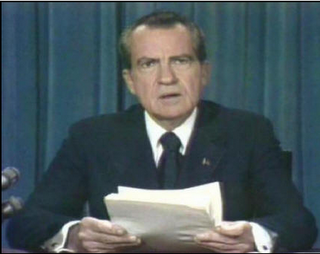
President Nixon's Resignation Speech – newsreel, 1974. Why?: Documents a critical moment in American politics.
The Princess Bride – narrative feature, 1987.
Pulp Fiction – narrative feature, 1994.
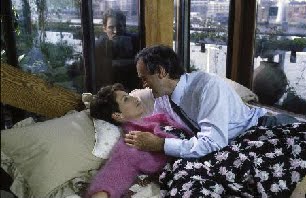
The Purple Rose of Cairo – narrative feature, 1985.
Superman – animated short subject, 1941. Why?: Was the first film adaptation of the comic book icon, heavily influencing future depictions.
The Times of Harvey Milk – documentary, 1984. Why?: Preserves documentary footage of the early gay rights movement in America, and its leader Harvey Milk.
Treasure Island – narrative feature, 1950.
The Truman Show – narrative film, 1998.
Twice Upon a Time – animated feature film, 1983. Why?: Only example of a feature-length animation to use lumage.
Wednesday, May 18, 2011
Historical Mindset
I was trying, and failing, the other day to explain what the historical mindset is. History as a way of seeing the world. The best I could come up with is the feeling you get when you embrace a new ontology or metaphysics, a new philosophical scheme of making sense of the world. You know you've understood a philosopher when you see the world through their thoughts. Viewing the world as a Humean is different from viewing it as an Aristotelian or Phenomenologist.
We all see the world, even if blind, in our own way, a synaptic conjuring act of memory and influence. But we can, most of us, step in to another way of seeing. Or, if you prefer, change our goggles and tint or distort the world differently.
An easy example of this is seeing the world as a photographer – which is increasingly common as photography gushes into the mainstream from the formerly reserved 'artistic' pool. You see a building and consider its line, its light, aperture and focus. Consider the angle and element of black. And then you literally put the camera to your eye (although less so now) and view the building through the photographer's lens.
Considering this I wonder whether religion is applicable, but I think not. Religion is either academically understood, or one has faith. You can't, really, flip between seeing the world through a Christian and a Hindu's eyes.
The historical way of seeing is to constantly create the past of the object in question, and to temporalize it on a timeline of assumed past and presumed future. It re-enhances the present, as a result.
Example: concrete. I know that the concrete lining the sidewalks of Singapore is pretty much the same as it is elsewhere – a western formula developed in Europe relatively recently in it's current incarnation. I know that the Romans had concrete that was far superior to the stuff we use now, with a different formula much stronger than our wimpy solutions overrun by tree roots. How, if it has rebar in it, it will take only a few hundred years to oxidize and crack, sloughing away the facades of skyscrapers. I recall through photographs and paintings what Singapore used to look like when the concrete wasn't here, when the ground was a relatively dense but sandy soil providing firmament for the tropical trees. I consider, looking out of the balcony into the horizon, how this city, too, will look like Angkor Wat in the jungle when it was refound. Or Tikal in Guatemala – how the tropics will bend a little to accommodate our technology, but in the end will swallow it and leave only our ruins – if we we built them well enough.
Example: pigeons. Rock pigeons that originated in Eurasia and Africa which have replaced the Passenger Pigeons which the American Great Plains were once famed for, when introduced by colonial settlers. How the pigeon came to become the feral animal of the city – replacing cliffs and canyons with scarce food reserves with skyscraper living befitting their omnivorous appetites. How their traditional predators were bullied by humans, who as a rule have been intolerant of most carnivores they don't own. Why, due to the very human excess the pigeons depended on for food, humans wouldn't eat them, and why all that refuse and filth was in the cities in the first place – why garbage heaps exist, and the history of American consumerism that made them possible. Manhattan in the 1920s when pigs still roamed the Burroughs and legislation was being enacted to keep the horses out of the financial district putting the night-time manure collectors, usually black, out of work from distributing the waste to the farms outside the city. When that system broke down, when the poor couldn't find dinner outside their door, the filth was cleaned up by well-meaning sanitation agitators and Fresh Kills is born, garbage is collected regularly, but not dealt with nightly, and accumulates to allow the gulls, and Eurasian Rock pigeons, plenty of pickings.
This is what it is like to look at the world historically. You see the causes of events. I'd say objects, but they are only events in slow motion. If you've studied your causes, your patterns, well then you can see where the objects are going and what they'll likely be next. The landscape is a pastiche of things in different stages of their pattern, time having effected some more or less, needing more or less time to effect change. Its sort of like seeing a number of stop-motion and time-lapse reels playing all around you, at differing speeds. Gardens become lessons in migration patterns of settlers and domestication. Rooms display a goosebumping display of modern industrialism, the factory system, the rise of global capitalism and telecommunications history. People are no less exempt. I read the features, the clothes, the make-up and gesticulations, the haircut, smell and speech and the various historical forces behind them all. How does this person exist? Are they a likely candidate to be carrying Neanderthal DNA? What consequences made their moment as an object possible?
For we, too, are merely objects: a short patterned sequence of events. One may chalk up their characteristics to capriciousness, but the historical mindset knows that there were forces in play – a whole array – which made you who you are and how you think and why you act. There is a limited determinism to it all, as any physicist might tell you, and even if you store faith in God there are still rules: for a miracle is defined only by the rules it can break. Our conceptions of reality are still limited by the mind, our senses, spacetime, atoms and what you will. True: I cannot predict the next word out of your mouth – sometimes. But the desire to pre-write cards of a conversation is tempting. The cues are predictable, the phrasing rehearsed through experience. Events like us have only very limited possibilities, and while those left open to us are succor to our minds that predict future and imagine past, they only get interesting when complicated – multiplied and compounded by other factors. That is why a human's history is relatively the same in fundamentals, but humanity's is not. And while I can guess what Singapore will look like when swallowed by the trees who knows what will really occur? If the island is used to mine something, or bombed with nuclear weapons, or suffers a cataclysmic earthquake tomorrow the whole picture changes.
In the meantime, however, the historical mindset brings us face to face with the present – reminding us that the future is illusory and the past unchangeable. We can only look at the events around us and realize that they'll never again align in this unique way. What patterns we make of that will be solely our own.
We all see the world, even if blind, in our own way, a synaptic conjuring act of memory and influence. But we can, most of us, step in to another way of seeing. Or, if you prefer, change our goggles and tint or distort the world differently.
An easy example of this is seeing the world as a photographer – which is increasingly common as photography gushes into the mainstream from the formerly reserved 'artistic' pool. You see a building and consider its line, its light, aperture and focus. Consider the angle and element of black. And then you literally put the camera to your eye (although less so now) and view the building through the photographer's lens.
Considering this I wonder whether religion is applicable, but I think not. Religion is either academically understood, or one has faith. You can't, really, flip between seeing the world through a Christian and a Hindu's eyes.
The historical way of seeing is to constantly create the past of the object in question, and to temporalize it on a timeline of assumed past and presumed future. It re-enhances the present, as a result.
Example: concrete. I know that the concrete lining the sidewalks of Singapore is pretty much the same as it is elsewhere – a western formula developed in Europe relatively recently in it's current incarnation. I know that the Romans had concrete that was far superior to the stuff we use now, with a different formula much stronger than our wimpy solutions overrun by tree roots. How, if it has rebar in it, it will take only a few hundred years to oxidize and crack, sloughing away the facades of skyscrapers. I recall through photographs and paintings what Singapore used to look like when the concrete wasn't here, when the ground was a relatively dense but sandy soil providing firmament for the tropical trees. I consider, looking out of the balcony into the horizon, how this city, too, will look like Angkor Wat in the jungle when it was refound. Or Tikal in Guatemala – how the tropics will bend a little to accommodate our technology, but in the end will swallow it and leave only our ruins – if we we built them well enough.
Example: pigeons. Rock pigeons that originated in Eurasia and Africa which have replaced the Passenger Pigeons which the American Great Plains were once famed for, when introduced by colonial settlers. How the pigeon came to become the feral animal of the city – replacing cliffs and canyons with scarce food reserves with skyscraper living befitting their omnivorous appetites. How their traditional predators were bullied by humans, who as a rule have been intolerant of most carnivores they don't own. Why, due to the very human excess the pigeons depended on for food, humans wouldn't eat them, and why all that refuse and filth was in the cities in the first place – why garbage heaps exist, and the history of American consumerism that made them possible. Manhattan in the 1920s when pigs still roamed the Burroughs and legislation was being enacted to keep the horses out of the financial district putting the night-time manure collectors, usually black, out of work from distributing the waste to the farms outside the city. When that system broke down, when the poor couldn't find dinner outside their door, the filth was cleaned up by well-meaning sanitation agitators and Fresh Kills is born, garbage is collected regularly, but not dealt with nightly, and accumulates to allow the gulls, and Eurasian Rock pigeons, plenty of pickings.
This is what it is like to look at the world historically. You see the causes of events. I'd say objects, but they are only events in slow motion. If you've studied your causes, your patterns, well then you can see where the objects are going and what they'll likely be next. The landscape is a pastiche of things in different stages of their pattern, time having effected some more or less, needing more or less time to effect change. Its sort of like seeing a number of stop-motion and time-lapse reels playing all around you, at differing speeds. Gardens become lessons in migration patterns of settlers and domestication. Rooms display a goosebumping display of modern industrialism, the factory system, the rise of global capitalism and telecommunications history. People are no less exempt. I read the features, the clothes, the make-up and gesticulations, the haircut, smell and speech and the various historical forces behind them all. How does this person exist? Are they a likely candidate to be carrying Neanderthal DNA? What consequences made their moment as an object possible?
For we, too, are merely objects: a short patterned sequence of events. One may chalk up their characteristics to capriciousness, but the historical mindset knows that there were forces in play – a whole array – which made you who you are and how you think and why you act. There is a limited determinism to it all, as any physicist might tell you, and even if you store faith in God there are still rules: for a miracle is defined only by the rules it can break. Our conceptions of reality are still limited by the mind, our senses, spacetime, atoms and what you will. True: I cannot predict the next word out of your mouth – sometimes. But the desire to pre-write cards of a conversation is tempting. The cues are predictable, the phrasing rehearsed through experience. Events like us have only very limited possibilities, and while those left open to us are succor to our minds that predict future and imagine past, they only get interesting when complicated – multiplied and compounded by other factors. That is why a human's history is relatively the same in fundamentals, but humanity's is not. And while I can guess what Singapore will look like when swallowed by the trees who knows what will really occur? If the island is used to mine something, or bombed with nuclear weapons, or suffers a cataclysmic earthquake tomorrow the whole picture changes.
In the meantime, however, the historical mindset brings us face to face with the present – reminding us that the future is illusory and the past unchangeable. We can only look at the events around us and realize that they'll never again align in this unique way. What patterns we make of that will be solely our own.
Subscribe to:
Posts (Atom)